The Battle of the Broccoli: How to Create a Positive Food Environment
Nudging Your Little Ones Toward Healthy Eating Habits
Have you ever caught yourself singing, “You gotta try new foods because they might taste good?” That happy little jingle from Daniel Tiger’s Neighborhood is one that comes in handy.
If you have ever found yourself in a standoff with a toddler over a piece of broccoli, you are not alone. Getting young children to eat their vegetables is one of the most common challenges families face.
However, nutrition experts suggest that the secret isn’t just about what you feed your child, but how you feed them. Creating a positive, low-stress environment at the dinner table is key to helping your preschooler develop a healthy relationship with food that will last a lifetime.
Here are seven tips from registered dietitians to help you navigate mealtime and encourage your child to become an adventurous, healthy eater.
1. Remove the Pressure
The "clean plate club" is a thing of the past. Forcing a child to eat can actually backfire and create negative associations with food. Instead, adopt a new strategy: You decide what to serve, and let your child decide if and how much to eat. Start with smaller portions to reduce food waste and let them ask for more if they are still hungry.
2. Serve Veggies Early and Often
Exposure is everything! The earlier children get used to seeing green on their plates, the sooner they will learn to like it. Once your child has transitioned to table foods, aim to offer vegetables two or three times a day—even if it's just a small side portion.
3. Keep Trying (And Trying Again)
Did your child refuse carrots yesterday? Don't give up! It is perfectly normal for a child to need to see a new food many times—sometimes 10 to 15 exposures—before they feel brave enough to try it. Keep offering previously refused foods alongside safe, favorite meals without making a big deal out of it.
4. Mix It Up
Texture plays a big role in what preschoolers like. If they hate mushy boiled spinach, they might love the crunch of a raw spinach salad or a roasted zucchini chip.
Try roasting: It brings out natural sweetness.
Go raw: Many preschoolers prefer the "crunch" of raw veggies.
Add a dip: Hummus, ranch, or yogurt dips make eating fun.
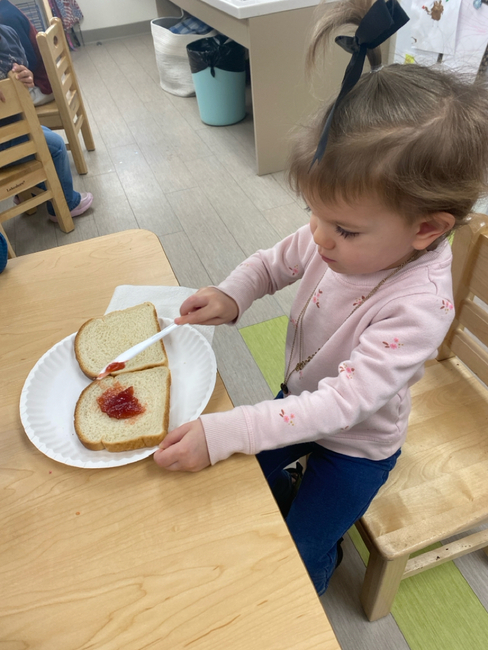
5. Encourage Your Child to Help
Young children naturally love to be helpers. When kids are involved in the process, they are more invested in the result.
Invite your preschooler into the kitchen to help with age-appropriate tasks like:
Washing peppers or cucumbers.
Tearing lettuce for a salad.
Arranging sliced veggies on a pizza or plate.
6. Show It or Grow It
Sometimes food looks scary when it's chopped up on a plate. Show your child what the whole vegetable looks like at the grocery store. Better yet, if you have a sunny windowsill or a patch of dirt, try planting seeds in a pot. Watching a seed turn into food is magic for a child and makes them eager to taste their harvest.
7. Be a Role Model
Your child is always watching you! They pay close attention to what you eat. If they see you enjoying a variety of colorful foods, they are more likely to try them, too. Be mindful to avoid making negative comments about the healthy foods being served.
The Big Picture
Finally, remember to look at the big picture. Children get their overall nutrition over the course of days and weeks, not in a single meal.
It is entirely normal for a child to eat all their vegetables at lunch and none at dinner. Ride the waves and aim for balance over time.


